
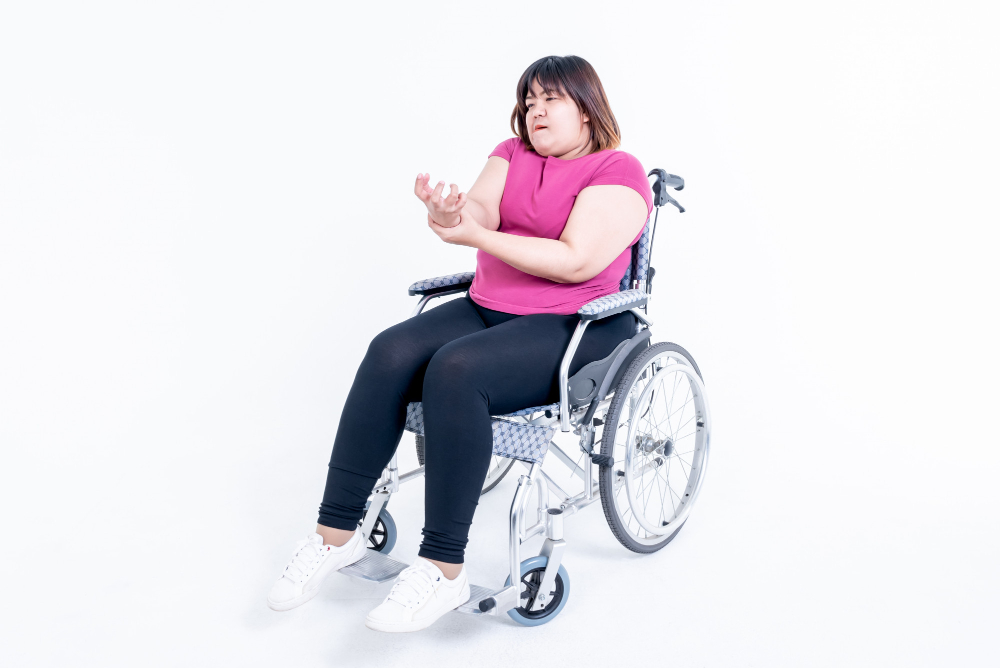
Guillain-Barré Syndrome is a rare nerve disorder that can cause rapid muscle weakness. In many cases, this weakness starts in the legs and spreads quickly. Because symptoms can get worse fast, Guillain-Barré Syndrome is a medical emergency. Early care can make a big difference. Although GBS is uncommon, it can affect people of any age. Knowing the signs and seeking help quickly is important for the best outcome.
What is Guillain-Barré Syndrome?
Guillain-Barré Syndrome, or GBS, is a condition where the body’s immune system attacks the nerves. As a result, messages from the brain have trouble reaching the muscles. This leads to weakness and sometimes even paralysis. In most cases, GBS develops after a minor infection, such as a cold or stomach bug. However, not everyone with these infections will get GBS. According to the Centers for Disease Control and Prevention (CDC), GBS affects about 3,000 to 6,000 people each year in the United States. While most people recover, the process can take weeks or months.
Early Symptoms and Warning Signs
At first, Guillain-Barré Syndrome often causes tingling or numbness in the feet and hands. Soon after, muscle weakness begins. For example, you may notice trouble climbing stairs or holding objects. Importantly, the weakness can spread quickly. In some cases, it moves from the legs to the arms and face within days. Watch for these early warning signs:
Because symptoms can get worse fast, it is important to seek medical help right away if you notice these changes.
Causes and Risk Factors
While the exact cause of Guillain-Barré Syndrome is not fully known, it often follows an infection. For instance, many people report having a respiratory or stomach illness before symptoms start. Sometimes, GBS can occur after a vaccination or surgery, but this is rare. Common risk factors include:
Worldwide, the most common trigger is infection with a bacteria called Campylobacter jejuni, often found in undercooked poultry. However, most people who get these infections do not develop GBS.
How Guillain-Barré Syndrome is Diagnosed
Doctors use several steps to diagnose GBS. First, they ask about symptoms and recent illnesses. Next, they check muscle strength and reflexes. Because other conditions can look similar, doctors may order tests, such as:
Early and accurate GBS diagnosis is important. That way, treatment can start as soon as possible. Neurology care teams are trained to spot these signs and guide treatment.
Treatment Options and Recovery
Guillain-Barré Syndrome treatment aims to stop the immune attack and support the body during recovery. Two main GBS treatment options are used:
Both treatments can help speed up recovery. In addition, some people may need help with breathing or movement. For example, physical therapy helps regain strength. Recovery times vary. While many people get better within weeks or months, some may have lasting weakness. According to the World Health Organization (WHO), most people recover fully, but some may need long-term care.
Living with Guillain-Barré Syndrome
After the first phase of GBS, daily life can be challenging. However, support and therapy make a big difference. Many people need help with walking, eating, or daily tasks at first. Over time, most regain their strength. Tips for living with GBS include:
Because recovery can take time, it is important to celebrate small improvements. Family and friends can also help with encouragement and care.
Tips for Prevention and Early Detection
While there is no sure way to prevent Guillain-Barré Syndrome, you can lower your risk by avoiding infections. For example, wash your hands often and cook food well. If you have had GBS before, talk to your doctor before getting certain vaccines. Early detection is key. Watch for rapid muscle weakness or tingling, especially after an illness. Seek medical help right away if you notice these signs. Quick action can lead to better outcomes and faster GBS recovery. Consult Take charge of your health with professional guidance. Consult Dr. Niket Yende today.