
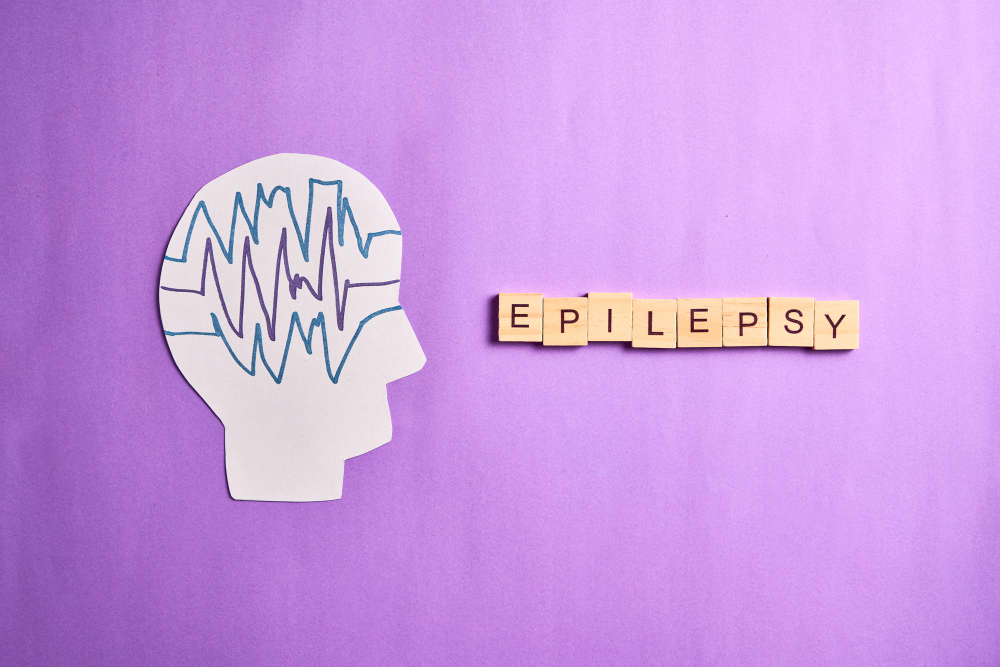
What is Epilepsy?
Epilepsy is a brain disorder that causes repeated seizures. Seizures are sudden bursts of electrical activity in the brain. Because of this, people with epilepsy may have unusual movements, feelings, or behaviors. There are many types of epilepsy, and each type can look different. For example, some people may stare blankly, while others may shake or fall. Epilepsy can affect anyone, but it is more common in children and older adults. Early diagnosis and treatment can help manage epilepsy symptoms and improve quality of life. According to the World Health Organization (WHO), about 50 million people worldwide have epilepsy.
Common Symptoms of Epilepsy
Epilepsy symptoms can vary from person to person. However, most people experience some of the following signs:
Sometimes, people may only have mild symptoms. On the other hand, some may have more severe episodes. If you notice any of these signs, it is important to talk to a doctor.
Causes and Risk Factors
There are many possible causes of epilepsy. In some cases, doctors cannot find a clear reason. However, common causes and risk factors include:
Additionally, some people may develop epilepsy after serious illness or injury. Age can also play a role, as children and older adults are at higher risk.
How Epilepsy is Diagnosed
Doctors use several steps to diagnose epilepsy. First, they ask about your medical history and symptoms. Next, they may order tests to check your brain activity. Common tests include:
Sometimes, doctors may ask you to keep a seizure diary. This helps track how often seizures happen and what triggers them. With this information, doctors can choose the best epilepsy treatment options for you.
Treatment Options for Epilepsy
There are many ways to treat epilepsy. The main goal is to control seizures and improve daily life. Common epilepsy treatment options include:
Most people with epilepsy can manage their symptoms with medicine. However, some may need other treatments if medicine does not work. It is important to follow your doctor’s advice and take medicine as prescribed.
Living with Epilepsy: Lifestyle Tips
Living with epilepsy can be challenging, but many people lead full lives. Here are some helpful lifestyle tips:
In addition, keeping a seizure diary can help you and your doctor track progress. Support groups and counseling can also provide comfort and advice.
Prevention and Safety Advice
While you cannot always prevent epilepsy, you can lower your risk of injury during a seizure. Consider these safety tips:
Furthermore, regular check-ups with your doctor can help you stay healthy and safe. Early treatment and good habits can make a big difference.
Conclusion
Epilepsy is a common brain disorder that affects millions of people. With the right treatment and support, most people can manage their symptoms and live well. If you or someone you know has epilepsy, consult a neurologist Dr. Niket Yende for personalized advice on epilepsy management.